
Case study — cooling water
Stopping the corrosion that was eating a moulder's tooling
A small cooling circuit was quietly doing expensive damage: corrosion sending production moulds out for polishing at around R3,000 each. The fix was chemistry matched to the circuit and the metallurgy.
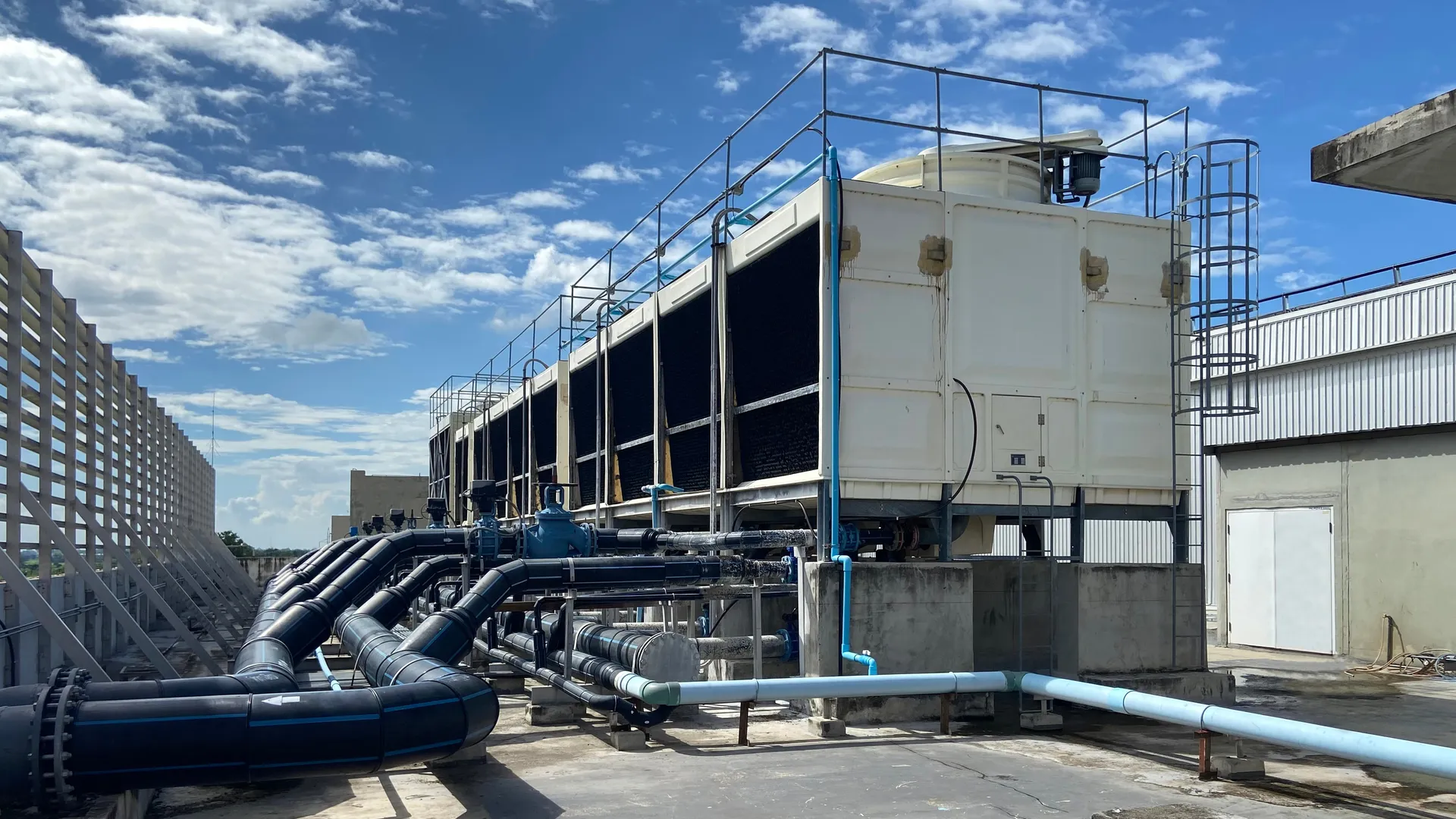
Not every water problem announces itself at boiler scale. At a Pretoria plastics moulding plant, a cooling circuit of roughly 2 m³/h was corroding the production moulds it existed to cool — and each damaged mould went out for polishing at around R3,000 a time. The water system was small; the cost it was driving was not.
The programme Prosep designed was matched to two things at once: the circuit itself, and the metallurgy of the moulds the water touched. That second half is the part a generic chemical drop-off misses — corrosion control only works when the inhibitor chemistry is chosen for the metal it is protecting. The circuit is fully operational and the corrosion problem is resolved.
The record
Problem, programme, result
Every figure below is client-confirmed.
The problem
Corrosion through a roughly 2 m³/h cooling water circuit damaging production moulds, which were going out for polishing at around R3,000 each.
The programme
A cooling water chemistry programme designed for the circuit and the mould metallurgy.
The result
System fully operational; corrosion problem resolved.
Where to next
The programme behind the result
Cooling water treatment
The programme behind this result — scale, corrosion and fouling control, measured on site.
View serviceClosed-loop & tower management
Inhibitor reserve and microbial control on closed circuits.
Related serviceHow we work
Assess, engineer, prove, monitor — the method this case followed.
Our methodA cooling circuit doing quiet damage?
Tell us what the water touches. We design the chemistry around the circuit and the metallurgy, then monitor it so the protection holds.