
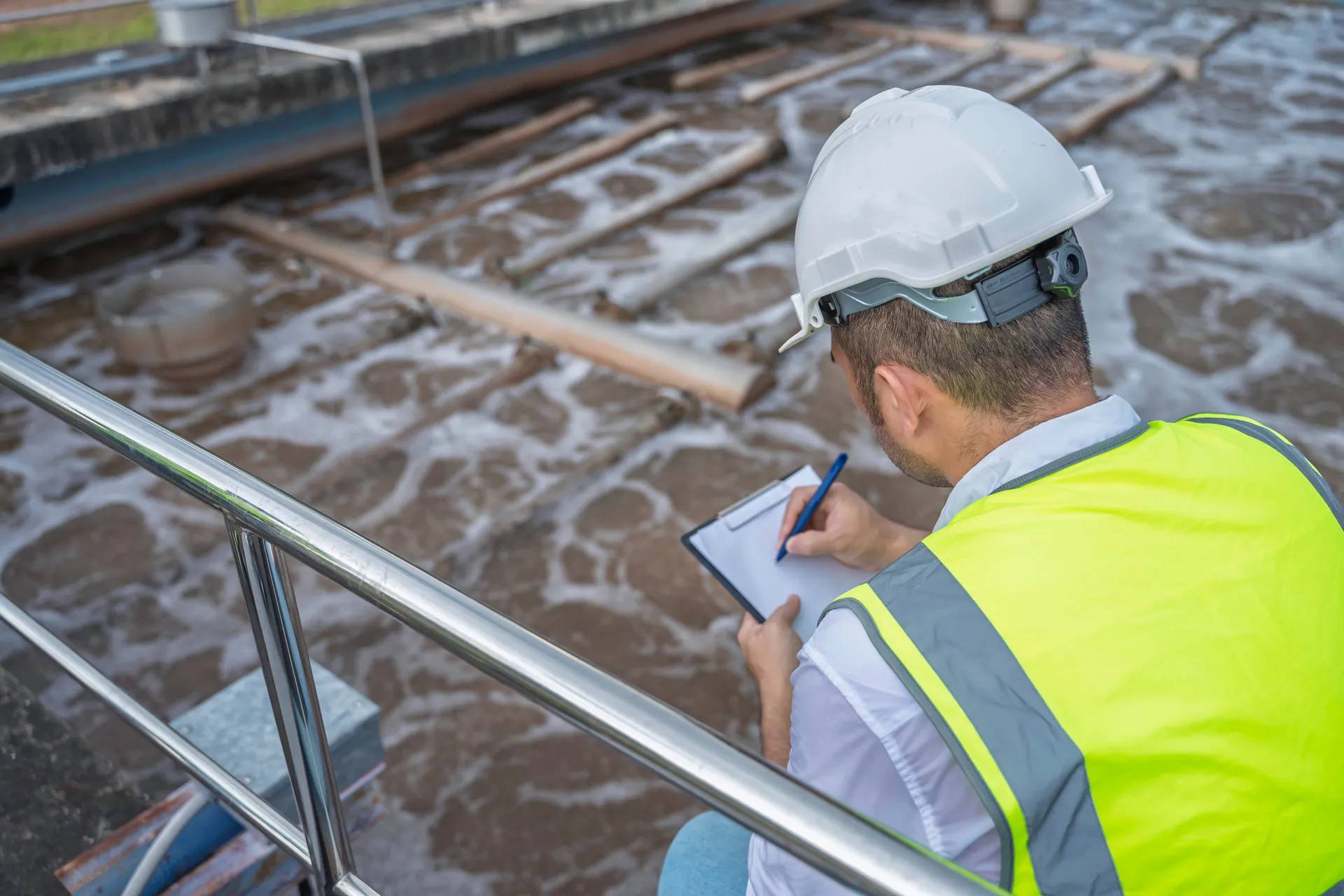
Engineer sampling water at a wastewater aeration basin

Compliance & sustainability

Effluent treatment that ends in compliance, reuse, or both

Chemistry verified before implementation, equipment fixed where it undermines results, performance measured against the numbers a regulator checks.

Effluent is where a plant's water problems concentrate, literally. Everything the process rejects ends up in one stream — and that stream has a legal limit on it. Get it wrong and the consequences arrive as DWS non-compliance, hazardous-waste disposal costs, or production stoppages while the plant is cleaned out.

Get it right and effluent stops being a liability: treated water goes back into the plant, discharge volumes fall, and in the best cases discharge stops altogether. We engineer effluent treatment as a programme — chemistry verified before implementation, equipment corrected where it undermines the chemistry, results measured against the numbers that matter to a regulator.

Proof first

A steel plant, eight months in

Acid pickling effluent — very low pH, high chlorides, dissolved iron, zinc and lead — that lime-only treatment could not hold. EPSE chemistry, verified in Finland before anything went near the plant.

>99.9%

overall heavy metal reduction

<0.37 mg/L

iron, from above 0.87 under lime

Zero

discharge — fully recycled water

3 → 8 mo

between plant cleans

Effluent & heavy metals removal

Steel pipe coating plant

Problem
Acid pickling effluent, very low pH, high chlorides, dissolved iron, zinc and lead. Lime-only treatment left iron high, limited water reuse, generated heavy sludge, and forced a full plant clean every three months, draining 10 to 20 cubic metres each time.
Programme
EPSE chemistry verified at laboratory scale in Finland (November 2024) before full-scale implementation (June 2025). Daily on-site sampling run in parallel against lime-only treatment. pH control automated to a 9.5 target after operator variability was identified as a treatment quality risk.
Result
Iron consistently below 0.37 mg/L (previously above 0.87 mg/L). Lead and zinc removed where lime removed neither. Overall heavy metal reduction above 99.9%. Plant cleaning down from quarterly to once in eight months, that one precautionary. Fully recycled water, zero discharge. Sludge declassification from hazardous waste under review.
The programme

What a Prosep effluent programme covers

From characterisation through to reporting a regulator accepts — the chemistry is only where it starts.

01

Characterisation & treatability

Effluent analysis and, where the application warrants it, laboratory verification of the proposed chemistry before full-scale work — as we did via the EPSE laboratory.

02

Treatment programme design

Neutralisation, precipitation, separation and polishing stages designed against your discharge limits or your reuse specification, whichever governs.

03

Reuse engineering

Treated effluent returned to the plant where the quality supports it — at one Randvaal food producer, around 907 kl a month for domestic reuse, running since February 2022.

04

Operation, monitoring & reporting

Sampling regimes, dosing control, automation where operator variability threatens results, and written reporting that stands up to a DWS inspection or a water-use-licence audit.

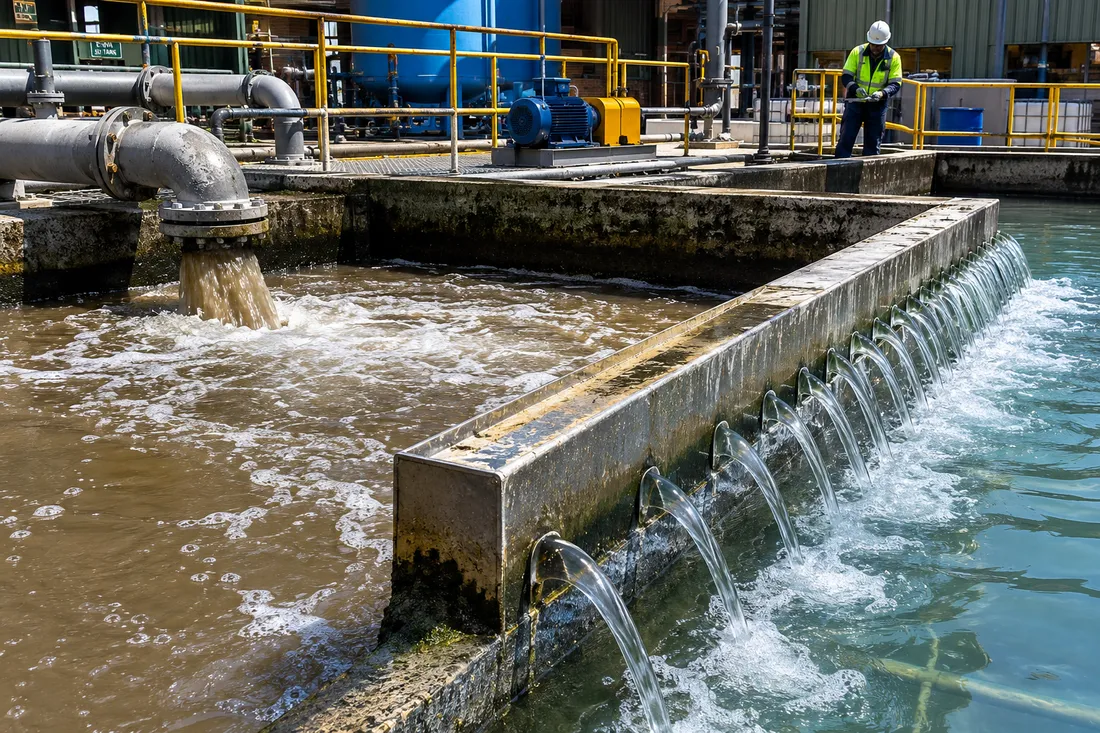
Industrial effluent treatment stage with visibly clarified water leaving a settling stage

The differentiator

EPSE heavy metals removal

EPSE is a Finnish-developed chemistry, and Prosep is its appointed South African implementer and distributor. It removes common base metals such as copper, zinc and iron — and also hazardous metals, radioactive elements and rare earth minerals — and it is robust against the water-quality fluctuations that real effluent streams deliver.

The chemistry is necessary but not sufficient: knowing how to dose it, integrate it into an existing plant and troubleshoot the problems around it is where implementation succeeds or fails. Relevant in mining, electroplating, battery manufacturing and electronics production — anywhere discharge compliance on metals is the binding constraint.

Who this is for

Where a discharge limit is the binding constraint

Metals-laden streams in heavy industry, and any site where effluent is too expensive to discharge and too valuable to waste.

More sectors

Heavy industry where a discharge limit binds

Standards we work to

Programmes are designed against DWS discharge requirements and the conditions of your water use licence — the specification the daily on-site testing and periodic external laboratory verification prove you hold. Where treated water is reused for potable-adjacent duties, SANS 241 is the reference. Where solids must come out first, coagulation and clarification does the heavy lifting, and dosing and monitoring equipment with automated control holds the result. And where the stream is domestic sewage rather than process effluent, the same team designs, builds and maintains packaged sewage plants on the activated sludge process.

  • DWS discharge requirements
  • Water Use Licence conditions
  • SANS 241 — reuse

FAQ

Effluent treatment questions

How do you remove heavy metals from industrial effluent?

Conventionally by precipitation, typically lime-based, which works for some metals and fails for others. Prosep implements EPSE chemistry alongside conventional treatment where metals are the binding constraint: at a steel pipe coating plant this took overall heavy metal reduction above 99.9% and removed lead and zinc that lime alone left untouched.

Can treated effluent be reused instead of discharged?

Yes, where treatment reaches the quality the reuse duty needs. We have engineered effluent recycling for domestic reuse at a Randvaal food producer, around 907 kl a month, and a steel plant programme that now runs on fully recycled water with zero discharge.

What does an effluent treatment company actually do beyond selling chemicals?

The chemistry is the smaller half. The work is characterising the effluent, verifying the chemistry before scale-up, fixing the dosing and control equipment that undermines results, setting up the sampling regime, and reporting in a form a regulator accepts. At our steel plant case, automating pH control to a 9.5 target was as decisive as the chemistry itself.

Will this help with DWS compliance and water use licence conditions?

That is what the programme is designed against. Discharge limits and licence conditions are the specification; daily on-site testing plus periodic external laboratory verification is how we prove the plant holds them.

How quickly can results be verified?

From day one of implementation, because we run treated samples in parallel against the existing treatment under the same conditions. Performance claims are then comparisons of real data, not estimates.

Send us your discharge analysis.

Your discharge limits or your reuse specification are the brief. We verify the chemistry, fix what undermines it, and prove performance against the numbers a regulator checks.