
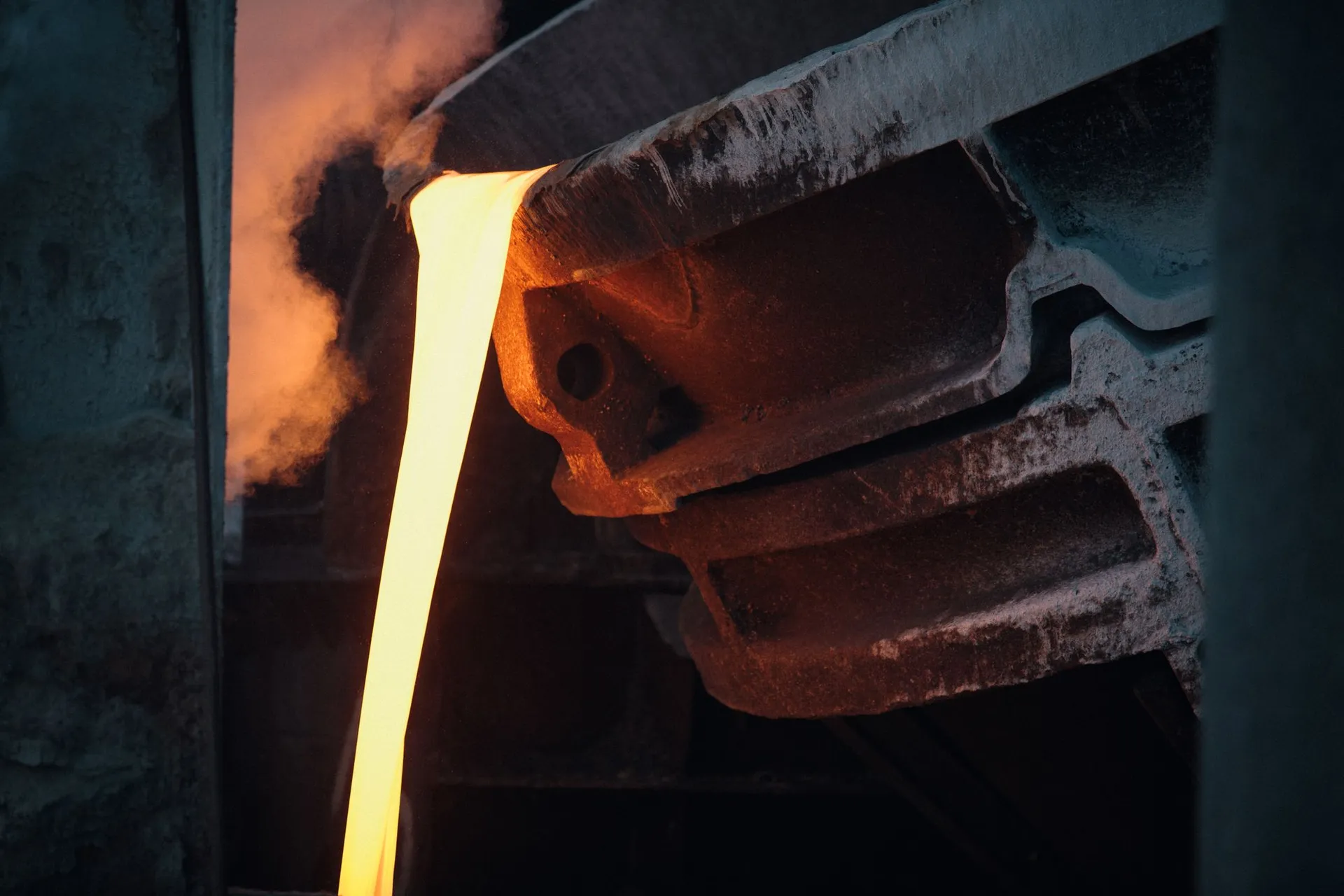
Molten metal pouring from a furnace at a smelter

Industry focus

Water treatment for smelters: hot circuits, hard effluent, metals recovery

Prosep treats both ends of the smelter water circuit — the high-temperature cooling that keeps the plant running, and the complex effluent that keeps it compliant, with heavy metals removal that can also recover value.

Smelting concentrates heat and metal, and both end up in the water. The cooling circuits that protect furnaces, lances and castings run hot and hard, scaling and corroding under conditions most cooling systems never see. The effluent carries dissolved metals, acidity and suspended solids that put it on the wrong side of a discharge limit.

And the metals in that effluent are not only a compliance problem; they are, increasingly, a resource. Prosep treats both ends of the smelter water circuit: the high-temperature cooling that keeps the plant running, and the complex effluent that keeps it compliant, with heavy metals removal that can also recover value.

Heavy metals

Metals out, and increasingly metals recovered

Prosep is the appointed South African implementer and distributor of EPSE chemistry, developed in Finland, which removes base metals such as copper, zinc and iron — and also hazardous metals, radioactive elements and rare earth minerals — and is robust against the water-quality swings real smelter effluent delivers. For a smelter the line between treatment and recovery is thin: metals removed from an effluent stream are metals captured.

Effluent & heavy metals removal

Steel pipe coating plant

Problem
Acid pickling effluent, very low pH, high chlorides, dissolved iron, zinc and lead. Lime-only treatment left iron high, limited water reuse, generated heavy sludge, and forced a full plant clean every three months, draining 10 to 20 cubic metres each time.
Programme
EPSE chemistry verified at laboratory scale in Finland (November 2024) before full-scale implementation (June 2025). Daily on-site sampling run in parallel against lime-only treatment. pH control automated to a 9.5 target after operator variability was identified as a treatment quality risk.
Result
Iron consistently below 0.37 mg/L (previously above 0.87 mg/L). Lead and zinc removed where lime removed neither. Overall heavy metal reduction above 99.9%. Plant cleaning down from quarterly to once in eight months, that one precautionary. Fully recycled water, zero discharge. Sludge declassification from hazardous waste under review.

The full case is on our effluent treatment page. Recovery is site-specific and proven by treatability work before any claim is made.

The circuit

Both ends of the smelter water circuit

The high-temperature cooling that keeps the plant running, and the complex effluent that keeps it compliant.

01

High-temperature cooling

Furnace, lance and casting cooling circuits operate at temperatures and heat fluxes that punish water chemistry. We control scale against a measured saturation index and manage corrosion matched to the circuit metallurgy — built for the duty, not a generic tower.

02

Complex effluent & heavy metals

Dissolved base metals, hazardous metals, low pH and high solids, treated with EPSE chemistry that removes what lime leaves behind — proven in a South African application at above 99.9% overall heavy metal reduction.

03

Closed-circuit cooling

Closed-circuit cooling on critical equipment is maintained on its own inhibitor and monitoring discipline, covered by our closed-loop and cooling tower management programme.

The programmes

The whole circuit, one supplier

A single accountable supplier who understands how the systems connect — so a fast diagnosis is possible when something unexpected happens in one of them.

Standards we work to

Smelters that run boilers and process water as well as cooling and effluent gain from a single accountable supplier. Prosep covers boiler, cooling, process and effluent treatment, on the method set out on how we work.

  • DWS discharge requirements
  • Water Use Licence conditions

FAQ

Smelter water treatment questions

Can you treat smelter effluent to meet metals discharge limits?

That is the core application of the EPSE chemistry Prosep implements: removal of base metals, hazardous metals, radioactive elements and rare earths from difficult, fluctuating streams, proven in a South African industrial application at above 99.9% overall heavy metal reduction. Each stream is verified by treatability work before full-scale implementation.

Can we recover value from the metals in our effluent?

Potentially. EPSE captures a wide range of metals, including rare earths, so where the recovered metals carry value the treatment can shift from pure cost toward partial recovery. Whether it pays on a given stream is established by treatability testing, not assumed.

Our cooling circuits run very hot. Can your programmes handle that?

Yes. Furnace, lance and casting cooling is designed for the temperature and heat flux of the duty, with scale control against a measured saturation index and corrosion control matched to the metallurgy. On a smelter a scaled cooling surface is a safety issue, so the programme is built for the conditions rather than borrowed from a standard tower.

Do you handle the whole water circuit or just effluent?

The whole circuit. Boiler, cooling, process and effluent treatment from one supplier, which matters on a smelter because the water systems interact and a fast diagnosis depends on understanding how they connect.

A cooling circuit, an effluent stream, or a metals problem?

Tell us which one. We verify each stream by treatability work before full-scale implementation, design a programme with stated targets, and report against them.