
Industry focus
Water treatment as an energy lever: heat transfer, cycles, blowdown
Prosep works alongside energy managers to optimise boiler and cooling water treatment for heat-transfer efficiency, higher cycles and controlled blowdown — turning water chemistry into a measurable operating-cost and carbon lever.
Energy managers spend their time hunting operating cost and carbon across a site, and water treatment is one of the levers most often left unpulled. It is easy to overlook because it sits in the chemistry budget, not the energy budget, but the physics is direct: scale on a boiler surface wastes fuel, scale on a condenser wastes electricity, and water lost to excessive blowdown takes its heat with it. A water treatment programme run for efficiency rather than just for protection is an energy programme.
Prosep works alongside energy managers to optimise boiler and cooling water treatment for heat-transfer efficiency, higher cycles and controlled blowdown, turning the water chemistry into a measurable operating-cost and carbon lever.
Where the energy is
Fuel at the boiler, electricity at the condenser, heat down the blowdown line
Run the chemistry for efficiency, not just protection, and three losses come back: wasted fuel, wasted electrical draw, and heat thrown away in over-run blowdown.
Boilers: every millimetre of scale is fuel
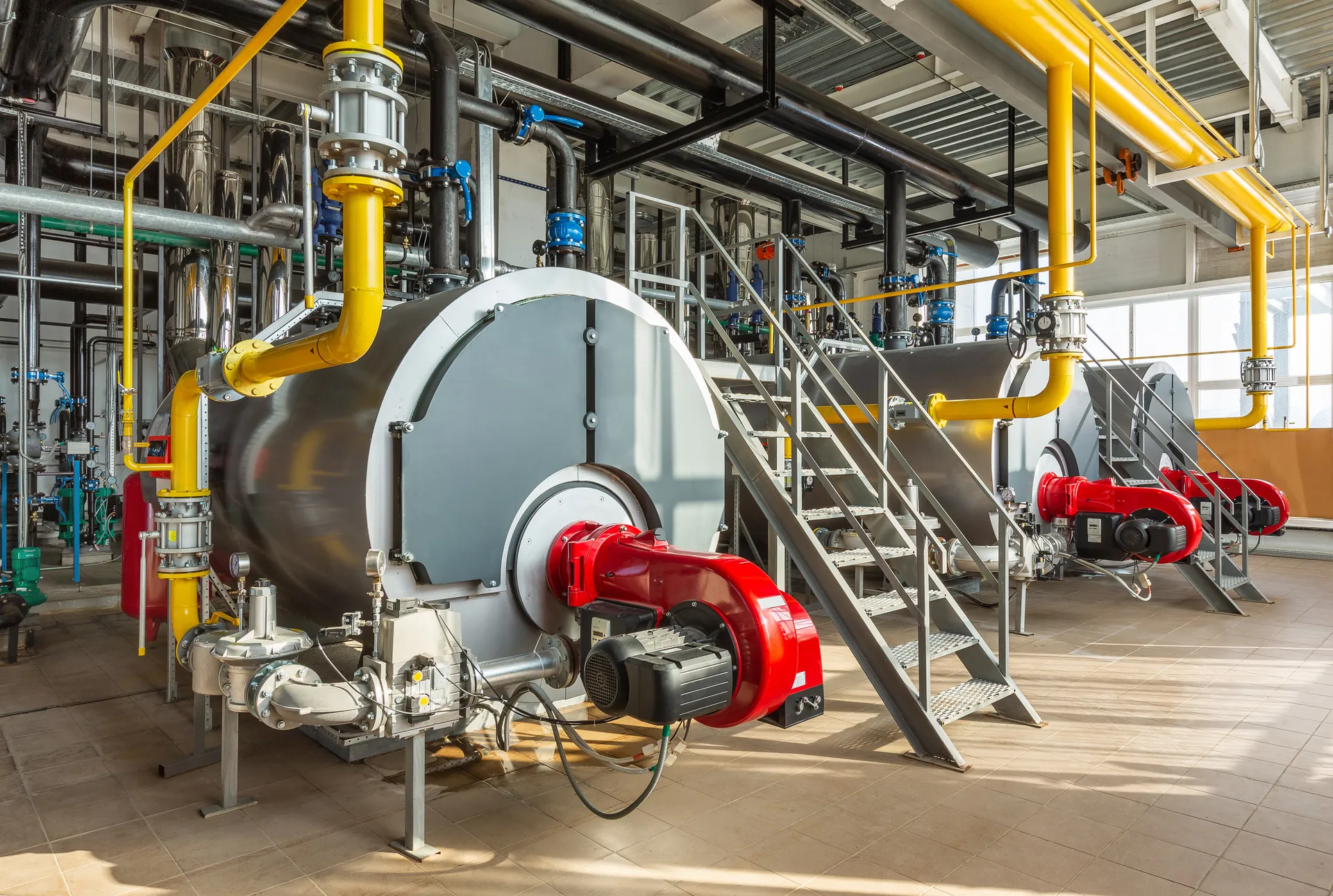
An insulating layer of scale makes a boiler burn more fuel for the same steam, every hour it fires. Our boiler water treatment keeps those surfaces clean so fuel goes into steam, not into overcoming deposit, and boiler acid cleaning restores surfaces where legacy scale has built up. Controlled, conductivity-based blowdown recovers the heat that over-run blowdown throws away.
Cooling: clean condensers, higher cycles
Scale and biofilm on a condenser raise the temperature the plant works against, which costs energy directly — higher electrical draw on a chiller, lost efficiency on a power or process condenser. Our cooling water treatment holds those surfaces clean against a measured saturation index and pushes cycles of concentration as high as the chemistry safely allows, cutting make-up water and the energy embodied in it.
Holding the gains with measurement
An efficiency gain that is not measured does not last. The dosing and monitoring that hold a programme at its optimum keep the saving from drifting away: dose to a measured setpoint, control blowdown on conductivity, and report the trend so the energy manager can see the number holding. Our engineers sample, dose, monitor, report, and come back.
Working with your team
An efficiency standard alongside your existing programme
Prosep does not need to displace an in-house team to add value here. The role is to bring the water chemistry up to an efficiency standard and to provide the independent measurement that shows the operating-cost and carbon effect, working with the energy manager's existing targets and reporting — assess where the heat and water are being wasted, design to stated targets, implement, then monitor.
The programmes
Where the efficiency sits
Boiler water treatment
Clean heat-transfer surfaces so fuel makes steam, not scale.
View serviceCooling water treatment
Clean condensers and higher cycles against a measured index.
View serviceBoiler acid cleaning
Restore surfaces where legacy scale has already built up.
View serviceDosing & monitoring equipment
Dose to setpoint, control blowdown on conductivity, report the trend.
View servicePower generation
Where cooling is a major load and efficiency is the saving.
Sector pageData centres
Cooling-led sites where higher cycles cut both water and energy.
Sector pageFAQ
Energy management water treatment questions
How much energy can water treatment actually save?
The saving is site-specific and depends on how much scale, fouling and excess blowdown the systems currently carry, so Prosep establishes it by assessment and measurement rather than quoting a generic figure. The mechanisms are firm: clean boiler surfaces cut fuel use, clean condensers cut electrical draw, and controlled blowdown recovers heat. The programme is run so the effect can be measured.
We already have a water treatment supplier. Can you still help on energy?
Yes. The energy angle is about running the chemistry to an efficiency standard and measuring the operating-cost and carbon effect, which can complement an existing arrangement. Prosep assesses where heat and water are being wasted and provides the independent measurement that shows the result.
Why does cooling tower cycles of concentration affect energy, not just water?
Higher cycles cut the volume of make-up water the tower needs, and that water carries embodied energy in its abstraction, treatment and movement, so using less of it saves energy as well as water. Holding higher cycles safely is a chemistry and control problem, which is what the cooling programme manages.
How do you make sure an efficiency gain lasts?
By measuring it. Dosing to a controlled setpoint, controlling blowdown on conductivity, and reporting the trend keep the programme at its optimum rather than letting it drift. An efficiency gain that is not monitored erodes, so the measurement is part of the programme, not an afterthought.
Find the efficiency sitting in your water systems.
Tell us about your boiler house and cooling plant. We assess where heat and water are being wasted, design to stated targets, implement, then monitor — so the operating-cost and carbon effect can be measured and held.