
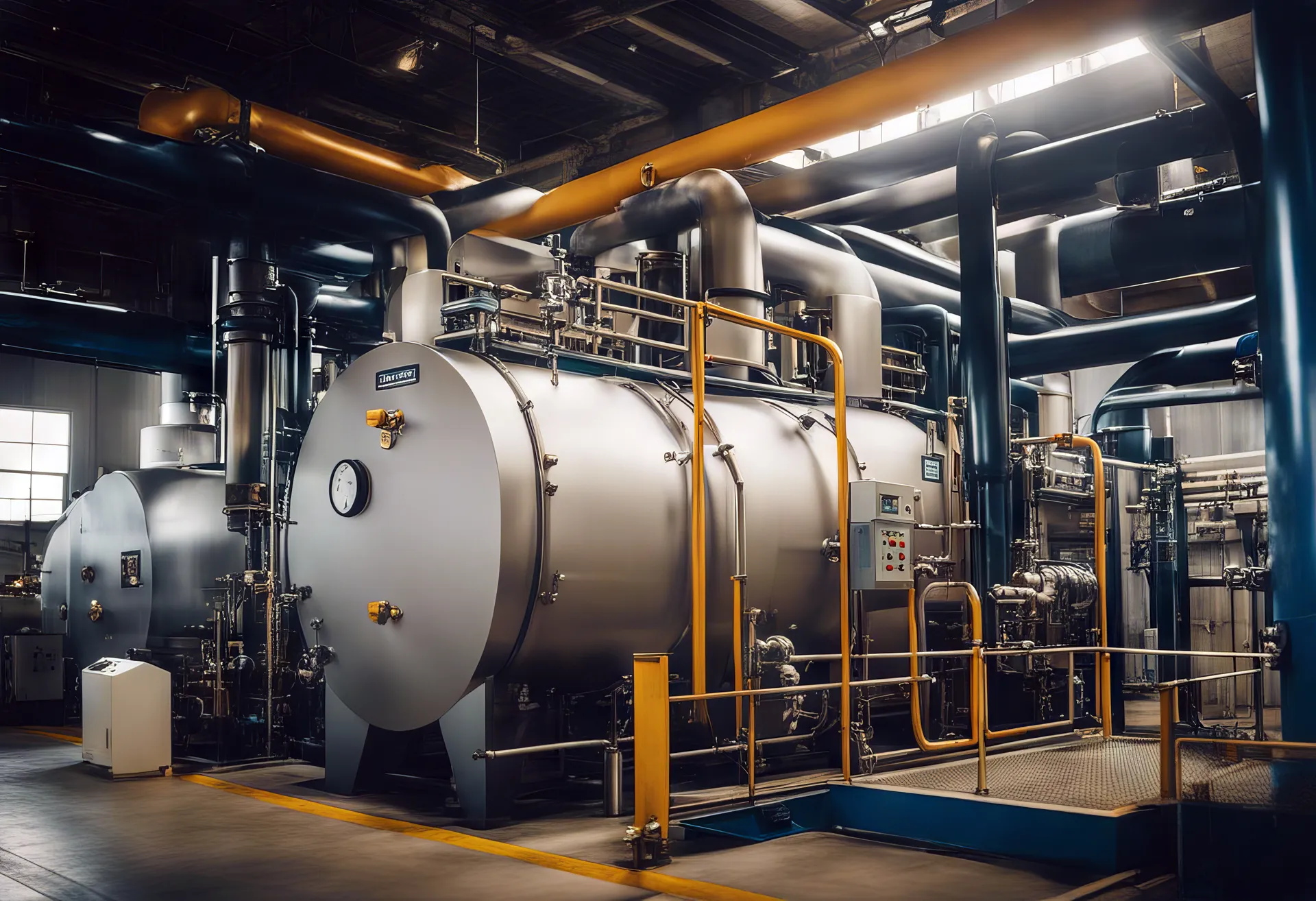
Asset reliability
Boiler water treatment programmes, engineered and proven on your site
Most boiler failures start in the feedwater. We treat the whole system — feedwater, internal chemistry and blowdown — and prove it on your plant with your own data.
A boiler forgives nothing. Scale on a heat-transfer surface costs fuel every hour the boiler fires. Carryover puts impure steam into your process. Oxygen pitting takes tubes out of service years before their design life. Most of these failures start in the feedwater, long before anything looks wrong in the boiler itself.
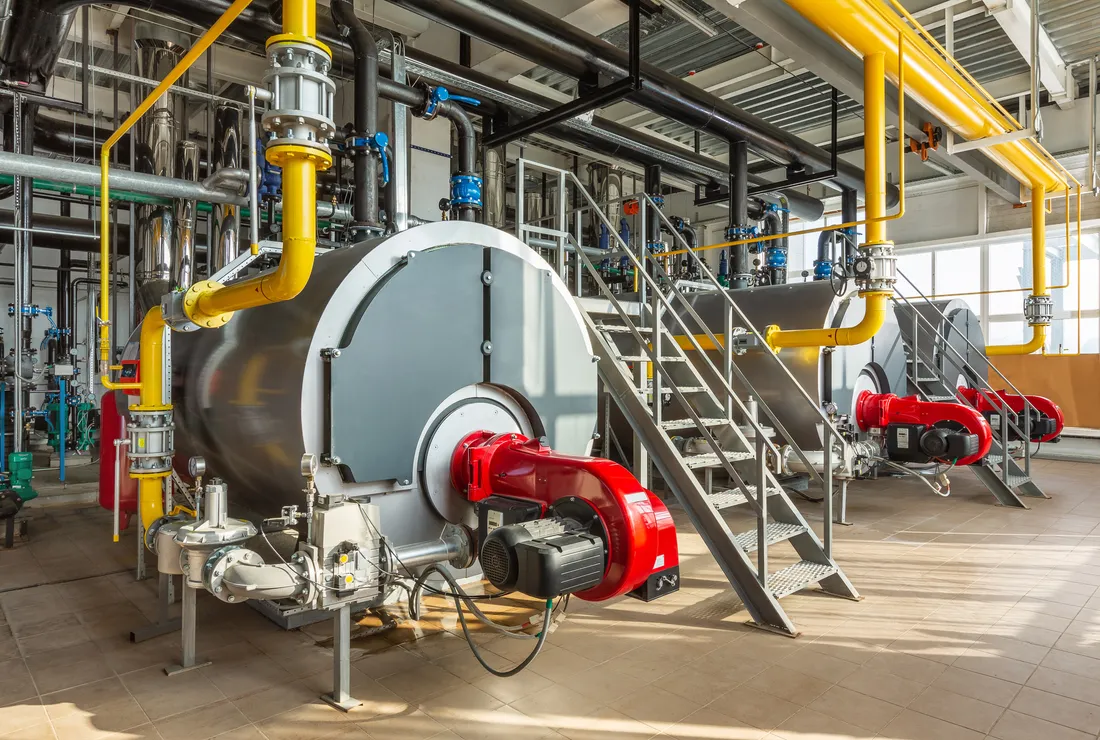
Prosep treats boiler water as a system, not a drum of chemical. Since 1998 we have designed, built and run treatment programmes for steam plant across South Africa, from packaged fire-tube boilers in the 1 to 25 ton-per-hour, 10 to 17 bar class through to larger industrial installations, as part of more than 300 sites served nationally.
The programme
What a Prosep boiler programme covers
Four parts, designed together — because a boiler problem is never just one of them.
Feedwater engineering
We assess whether your softener, dealkaliser or RO plant suits the boiler behind it — and move clients to RO permeate feed where the economics support it, cutting dissolved solids, raising cycles and reducing blowdown losses.
Internal chemistry
Oxygen scavenging, alkalinity control and sludge conditioning dosed to measured residuals, not to rule of thumb. On RO feed we hold boiler-water alkalinity in range with low, controlled caustic.
Blowdown control
Automatic blowdown systems installed and commissioned where the site justifies them, so total dissolved solids hold at the target rather than oscillating between operator shifts.
Monitoring & reporting
Our engineers sample, dose, monitor, report, and come back. Feedwater and boiler-water analysis runs against programme targets, reported in writing so engineers and procurement see the same numbers.
Feedwater
Where a boiler programme is won or lost
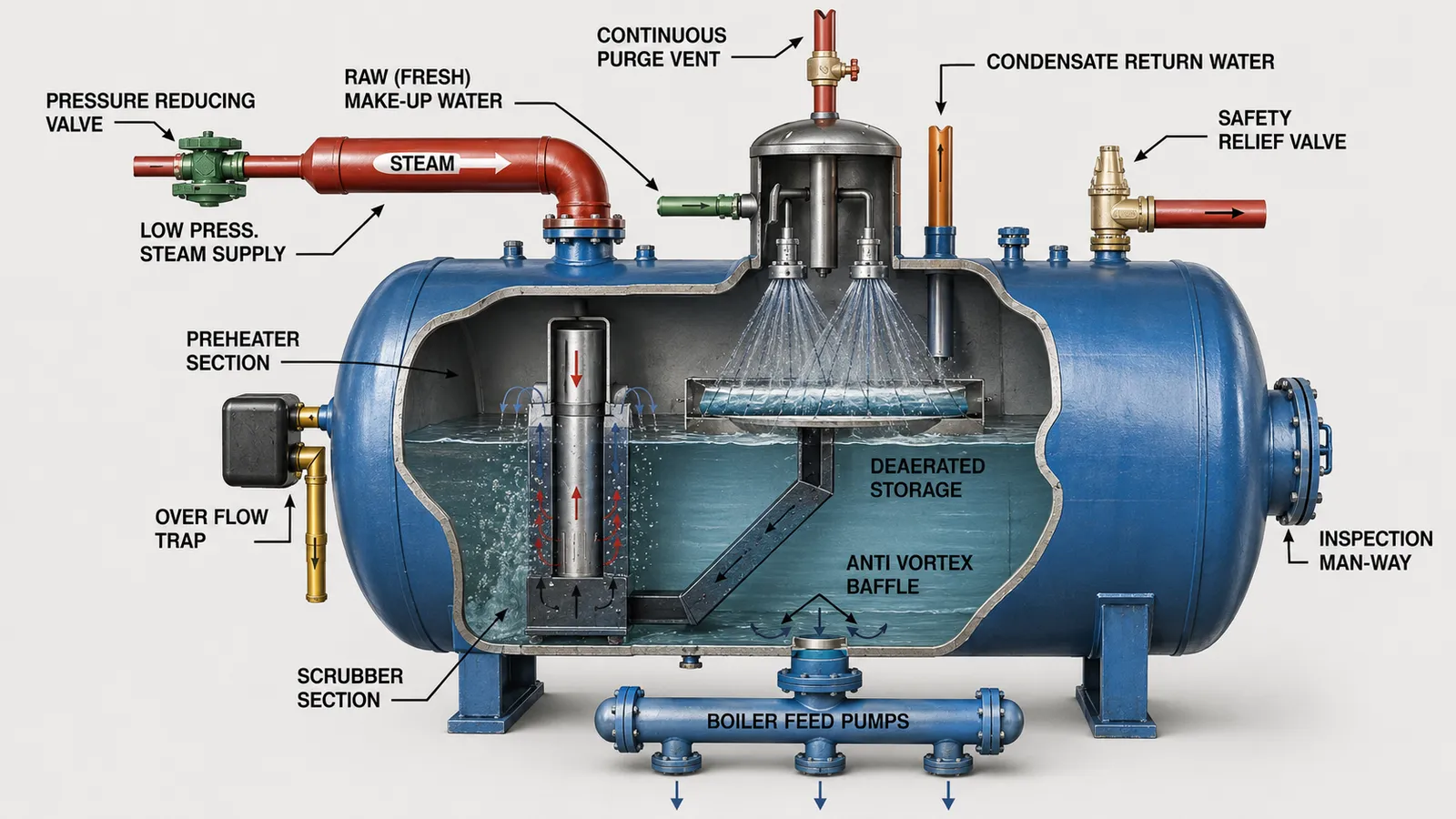
Most failures trace back to the feedwater. We design the feedwater plant — softening or RO, deaeration and conditioning — together with the internal chemistry, so the two are never fighting each other.
Prove it, then commit
We put numbers on the programme before you sign
Where we propose moving a boiler from softened water to RO feed, we run a 60-day side-by-side trial — 30 days on soft water, 30 days on RO — recording boiler water consumption, production tonnage, energy use, water analysis, chemical cost and any added equipment.
The outcome is a total-cost-of-operation comparison on your boiler, with your production data, signed off by your team. If the numbers don't support the change, we tell you that too. It's the same discipline set out on our how we work page: assess, design, implement, then monitor and optimise.
Who this is for
Steam users who can't afford a surprise
Particular depth in food and beverage, where steam touches product, and in heavy industry, where boiler availability is production availability.
Food & beverage
Boiler steam touches product and water cost is under constant pressure.
Sector pagePower generation
Where boiler availability is generation availability.
Sector pageProcess water treatment
RO permeate as boiler feedwater — proven before you commit.
Related serviceBoiler acid cleaning
Chemical descaling to reset heat transfer, then a programme to hold it.
Related serviceDosing & monitoring equipment
Automatic blowdown and dosing that hold the programme between visits.
Related serviceEnergy management
Every millimetre of scale is wasted fuel.
Sector pageStandards we work to
Boiler programmes are designed against the requirements that matter to a South African steam plant — the OHS Act and its pressure-equipment requirements, and your DWS discharge obligations on blowdown. Where blowdown and other streams need treatment before discharge or reuse, our effluent treatment team designs that stage of the same circuit.
- OHS Act — pressure equipment
- DWS discharge requirements
FAQ
Boiler water treatment questions
What does boiler water treatment actually cost in South Africa?
Priced as a programme against scope: water analysis, chemical supply, dosing equipment, monitoring visits and reporting are quoted together, transparently, after a site assessment. The relevant comparison is programme cost against fuel wasted on scaled surfaces, water and heat lost to excessive blowdown, and the cost of an unplanned boiler outage.
Should my boiler run on softened water or RO water?
It depends on raw water quality, boiler pressure, load profile and water cost. RO feed allows higher cycles of concentration and lower blowdown, but carries its own capital and chemical costs. Prosep settles the question with a 60-day side-by-side trial on your boiler, comparing total operating cost on each feedwater with your own production data.
How often should boiler water be tested?
Daily basic tests by your operators, with the frequency of full analysis set by the programme. Prosep engineers verify operator results on site visits and run feedwater and boiler water analysis against programme targets, reported in writing.
Can you take over a boiler programme from another supplier?
Yes. We start with an independent assessment of the current chemistry, feedwater plant and blowdown regime, then either confirm the existing programme or redesign it. Changeover is managed so the boiler is never left between programmes.
Do you supply the dosing equipment as well as the chemicals?
Yes. Treatment chemicals, dosing equipment and on-site engineering are sold as one engineered programme. That includes dosing pumps, automatic blowdown systems and commissioning.
Bring us your boiler logbook.
A boiler water assessment is the honest first step — we sample the feedwater, read the blowdown regime, and tell you what we would change and what it would save.