
Process & production
Clean-in-Place programmes that actually clean, and prove it
In a food or beverage plant the cleaning system is a production system. Prosep supplies and supports CIP chemistry — and the water quality behind it — so every cycle cleans, and the records prove it.
In a food or beverage plant, the cleaning system is a production system. Clean-in-Place runs detergent and sanitiser through the process lines, tanks and fillers between batches, and the plant’s hygiene — and therefore its product safety — depends on it working every cycle. When CIP underperforms, the cost is not a dirty tank. It is a contamination risk, a failed swab, a held batch, or worse.
CIP performance is water chemistry as much as it is plant design. Prosep supplies and supports CIP chemistry and the water quality behind it as part of the food and beverage and process water programmes we run.
The programme
What a Prosep CIP programme covers
Water, chemistry, control and proof — designed together so the clean is effective and demonstrable.
Water quality for CIP
The water feeding the CIP system is treated to suit it. Where hardness is crippling detergent performance, softening or process water treatment removes the cause rather than compensating with more chemical. The step most often missed.
Detergent & sanitiser chemistry
Caustic and acid cleaning chemistry matched to the soil and the materials, and sanitiser chemistry matched to the organisms, the contact time and the temperature the plant can actually deliver. Selected for the duty, not the catalogue.
Dosing & concentration control
CIP chemistry dosed to controlled concentration and monitored, so every cycle runs at the strength it is supposed to — not at whatever the last manual top-up left in the tank.
Validation support
Cleaning that cannot be demonstrated is a liability in an audited food plant. The programme supports the monitoring and records that show the CIP regime works — what a retail customer’s technical team or an auditor asks for.
Start with the water
Why CIP water quality decides the clean
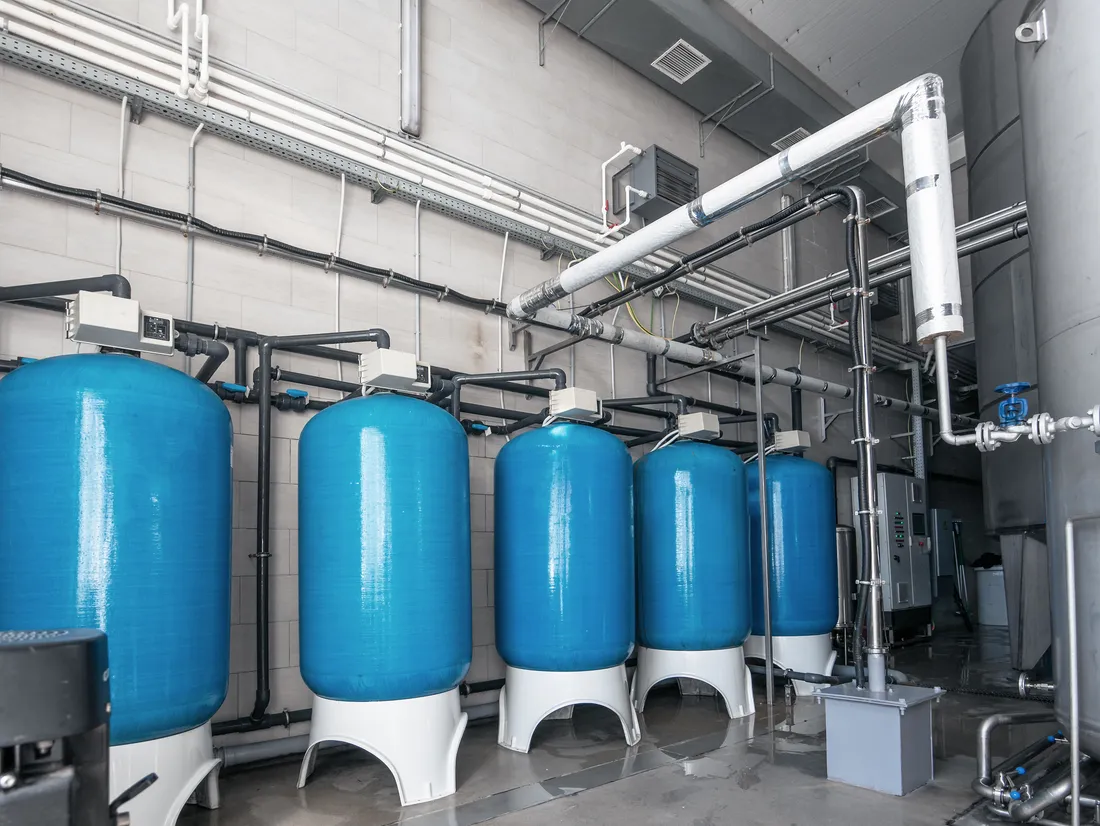
Hard feedwater is the most common reason CIP uses too much detergent: the detergent neutralises water hardness before it reaches the soil, so consumption climbs and cleaning still underperforms. Treating the CIP feedwater to remove hardness usually cuts detergent use and improves the clean at the same time.
CIP is part of the wider site water circuit — the same water that feeds CIP feeds the boiler and the process, and the spent CIP stream lands in the effluent plant. Prosep designs CIP inside that whole-site picture, the approach set out on how we work and applied across food and beverage sites.
Related
Where this connects
Standards we work to
Where CIP and process water touch product or potable duties, the treatment is designed against SANS 241, with the monitoring and records a food safety audit expects. If detergent consumption is high or swab results are inconsistent, start by testing the water feeding the CIP system.
- SANS 241 — potable water (where applicable)
FAQ
CIP cleaning questions
Why is our CIP using so much detergent?
The most common cause is hard feedwater. The detergent neutralises water hardness before it reaches the soil, so consumption climbs and cleaning still underperforms. Treating the CIP feedwater to remove hardness usually cuts detergent use and improves the clean at the same time.
Does CIP water quality really affect cleaning that much?
Yes. Water hardness directly undermines detergent performance, and poor feedwater also leaves scale on the surfaces the CIP is meant to clean. Getting the water right is often the single largest improvement available, which is why Prosep treats CIP as a water chemistry programme, not just a detergent supply.
Can you match the chemistry to our specific soils?
Yes. Caustic, acid and sanitiser chemistry are selected for the actual soil, protein, fat, sugar or mineral, the surface materials, and the contact time and temperature available. The right chemistry for the duty cleans where a generic product does not.
Will this help with our food safety audits?
A controlled, monitored CIP programme with records is exactly what an audit looks for. The programme runs each cycle to a controlled concentration and maintains the monitoring and records that demonstrate the cleaning is effective, which supports compliance rather than leaving it to assurances.
Start with the water.
If detergent consumption is high or swab results are inconsistent, start by testing the water feeding the CIP system.