
Equipment & control
Dosing and monitoring equipment: the part that makes the chemistry work
The best chemistry does nothing if it is dosed by guesswork. Prosep supplies, installs and services the dosing and monitoring equipment that runs its treatment programmes — because the equipment and the chemistry are one system.
The best chemistry in the world does nothing if it is dosed by guesswork. A treatment programme is only as good as the equipment that delivers it: the pump that meters the dose, the controller that holds the setpoint, the probe that measures what is actually happening, and the blowdown valve that opens when it should. When sites struggle with inconsistent results, the chemistry is often right and the dosing is wrong.
Prosep supplies, installs and services the dosing and monitoring equipment that runs its treatment programmes, because the equipment and the chemistry are one system, not two purchases. Treatment chemicals, dosing equipment and on-site engineering are sold as one engineered programme, priced transparently against scope.
The equipment
What Prosep supplies and supports
Specified, supplied, installed and serviced inside the treatment programme it runs.
Chemical dosing systems
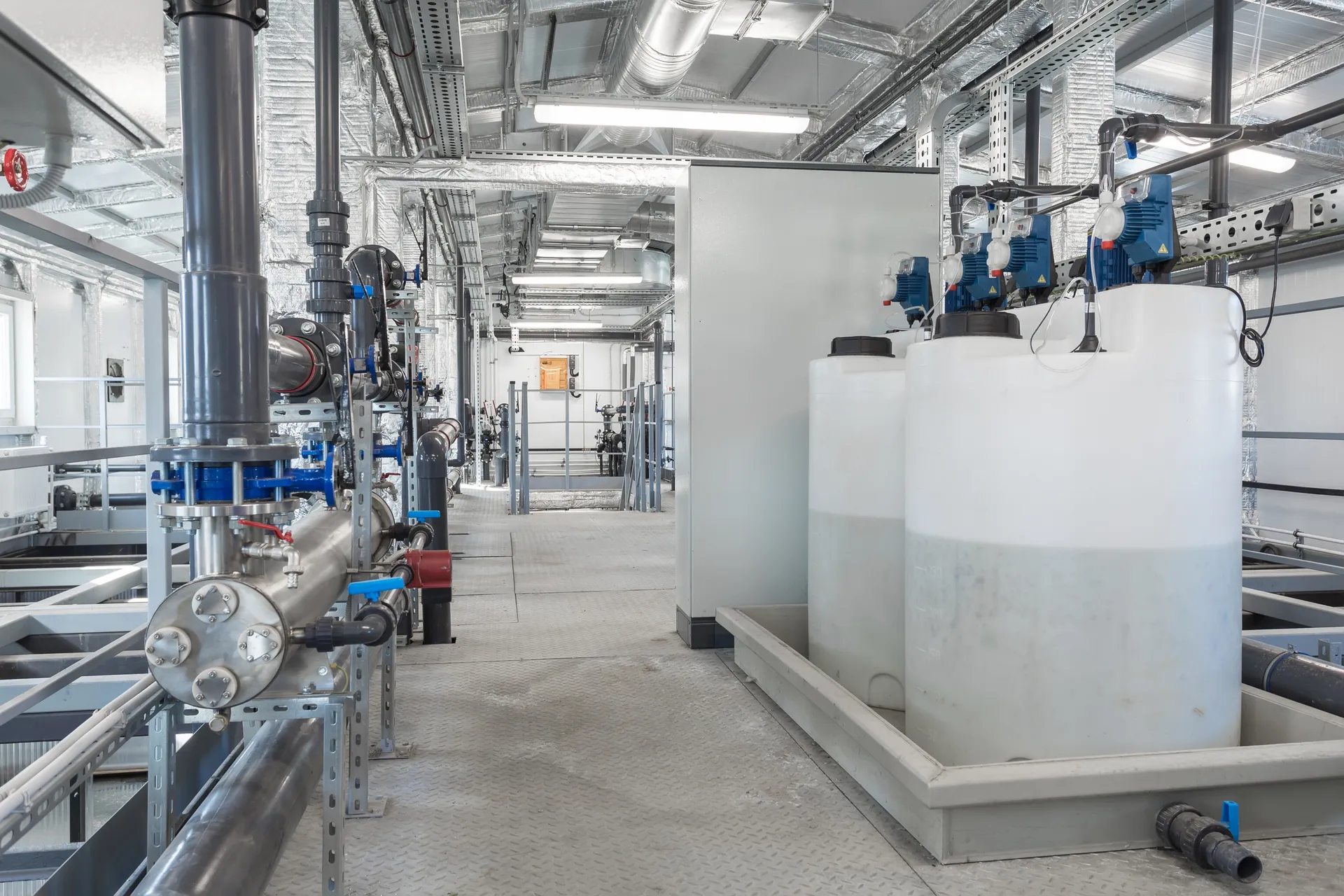
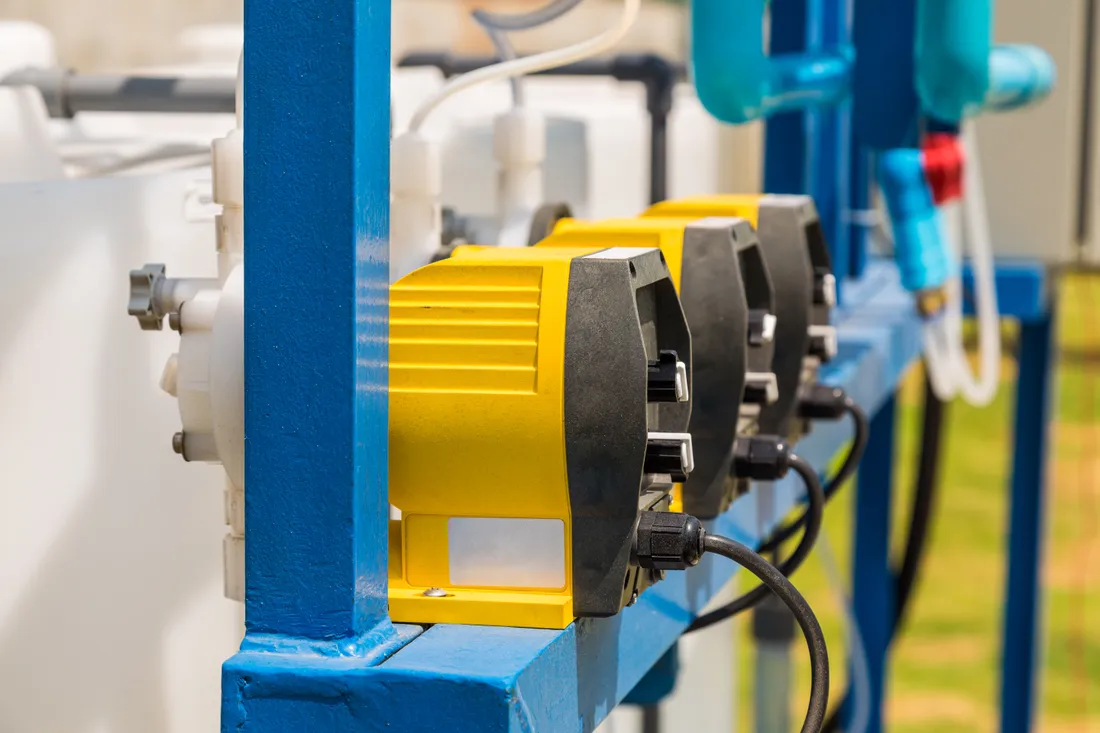
Metering pumps, tanks, lances and panels sized to the duty, installed and commissioned. Dosed to a measured residual, not a habit.
Automatic blowdown control
For boilers and cooling towers, conductivity-controlled blowdown that holds dissolved solids at the target instead of oscillating between shifts. On a cooling tower it is also the cheapest water saving available.
On-site monitoring
The instruments and the routine that measure what the system is doing: conductivity, pH, residuals and the microbiological checks the programme calls for. Measurement turns a hopeful dose into a controlled process.
Written reporting
The monitoring data is reported, so plant engineers and procurement see the same numbers and trends — the difference between a supplier who drops off drums and one whose engineers sample, dose, monitor, report, and come back.
Installation, commissioning & service
The equipment is installed, commissioned and maintained as part of the programme. A dosing pump that fails unnoticed is an untreated system, so keeping it running is part of keeping the water treated.
One programme, not a parts list
Why dosing is where programmes succeed or fail
Automating the dose and the measurement removes the variability. The setpoint holds whether or not anyone is watching, and the data shows whether it held. This is the connective tissue across every Prosep service — boiler, cooling, process and effluent programmes all depend on dosing accurately and monitoring honestly.
The equipment is specified, supplied and serviced inside the programme it serves, on the method set out on how we work. If results are inconsistent, an audit of how the chemistry is currently dosed and measured usually finds the gap.
Related
The equipment behind every programme
Dosing and monitoring run inside each of the four core treatment programmes.
Boiler water treatment
Dosing and automatic blowdown on the steam plant.
Related serviceCooling water treatment
Conductivity-controlled blowdown and dosing.
Related serviceProcess water treatment
Dosing and monitoring across the supply circuit.
Related serviceEffluent treatment
Dosing and control on the compliance stage.
Related serviceEnergy management
Measurement that holds the efficiency gain in place.
Sector pageFAQ
Dosing & monitoring questions
Do you supply dosing equipment on its own, or only with chemicals?
Prosep sells engineered programmes in which treatment chemicals, dosing equipment and on-site engineering come together, because the equipment and the chemistry are one system. The dosing and monitoring equipment is specified, installed and serviced as part of the treatment programme it runs.
What is automatic blowdown control and why does it matter?
It is a conductivity-controlled valve that releases water from a boiler or cooling system to hold dissolved solids at a target level. Without it, dissolved solids swing between operator shifts, wasting water and chemical when over-blown and risking scale when under-blown. On a cooling tower it also enables safely higher cycles of concentration, which is a direct water saving.
Will automated dosing actually improve our results?
It removes the variability that undermines good chemistry. A dose held to a measured setpoint stays correct between visits and shifts, where manual dosing drifts. When sites have inconsistent results, the cause is frequently dosing and control rather than the chemistry itself.
Do you maintain the equipment after installation?
Yes. Installation, commissioning and ongoing service are part of the programme. A dosing pump that has quietly failed means an untreated system, so keeping the equipment running and verified is part of keeping the water under control.
Start with what you’re dosing now.
If results are inconsistent, an audit of how the chemistry is currently dosed and measured usually finds the gap.