
Compliance
Legionella control: a managed duty, not a once-off dose
Prosep designs and runs Legionella control programmes to the principles of SANS 893 and the OHS Act — risk assessment, a written control scheme, a designed biocide programme, and the monitoring records that prove control.
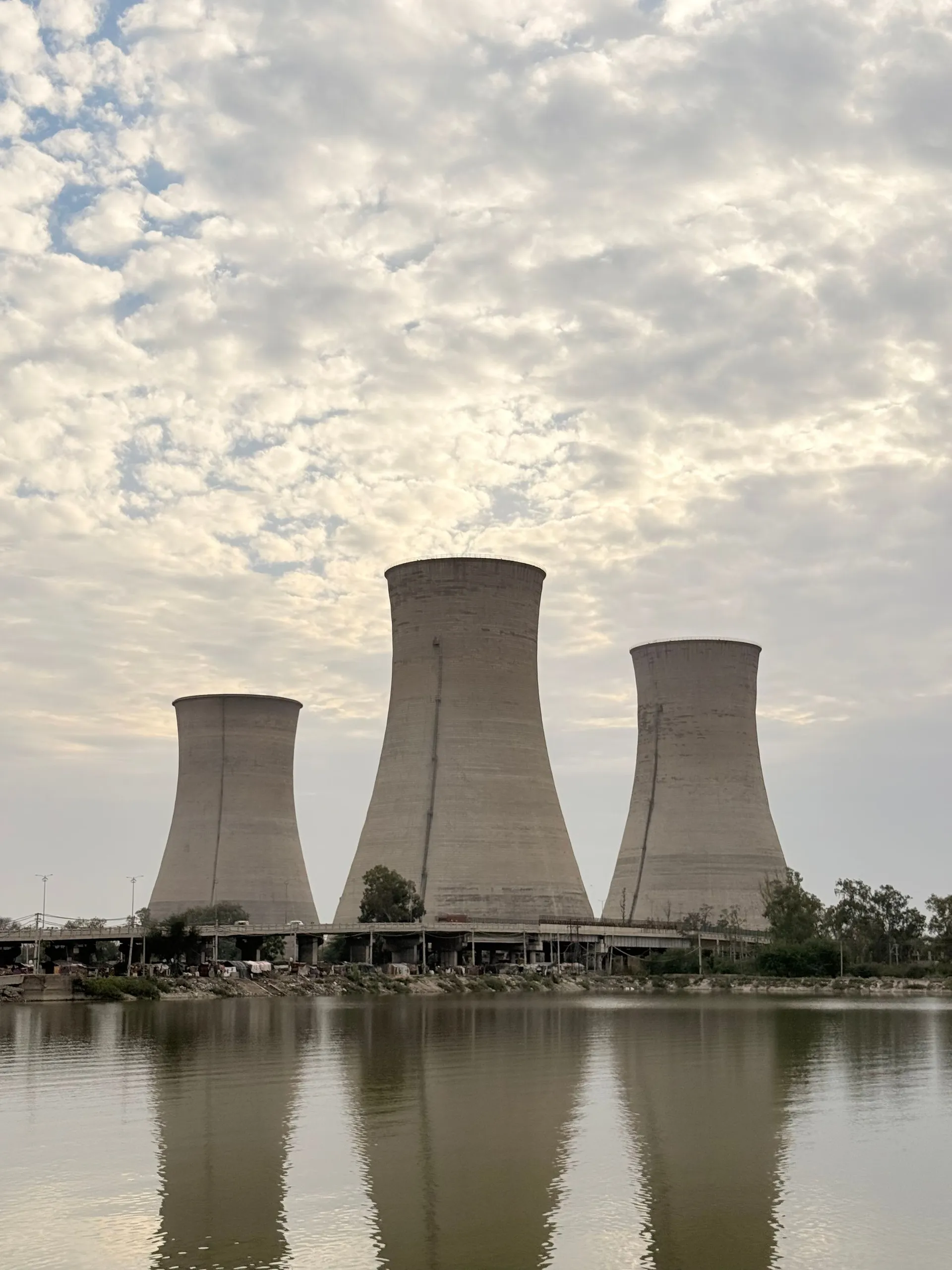
Legionella is a legal duty before it is a chemistry problem. Cooling towers, evaporative condensers and warm water systems create the conditions the bacterium needs, and an outbreak traced to a poorly managed system is a liability with a company’s name attached. South African employers carry duties under the OHS Act, and SANS 893 sets out how Legionella risk in cooling and water systems should be assessed, monitored and controlled.
Meeting that duty is not a drum of biocide. It is a managed programme with the records to prove it was run. Prosep designs and runs Legionella control programmes working to the principles of SANS 893 and the OHS Act, as part of — or alongside — the cooling water treatment programmes we run across more than 300 sites nationally.
The programme
What a Prosep Legionella programme covers
A risk assessment, a written scheme, a designed biocide programme, monitoring with records, and defined remedial action — the structure SANS 893 expects.
Risk assessment
A survey of the systems on site, the populations exposed, and the conditions that raise risk: temperature ranges, dead legs, stagnation, biofilm and drift. The document everything else is built on, and the one an auditor or insurer asks for first.
Written control scheme
A defined regime for each system — the biocide programme, the temperatures and conditions to hold, the monitoring schedule and the actions to take when a result moves out of range. SANS 893 expects a scheme, not improvisation.
Biocide programme
Oxidising biocide as the primary control, designed around system volume, demand and half-life, supported by non-oxidising biocide where biofilm or resistant populations require it. Dosed and controlled, not slug-dosed by habit.
Monitoring & records
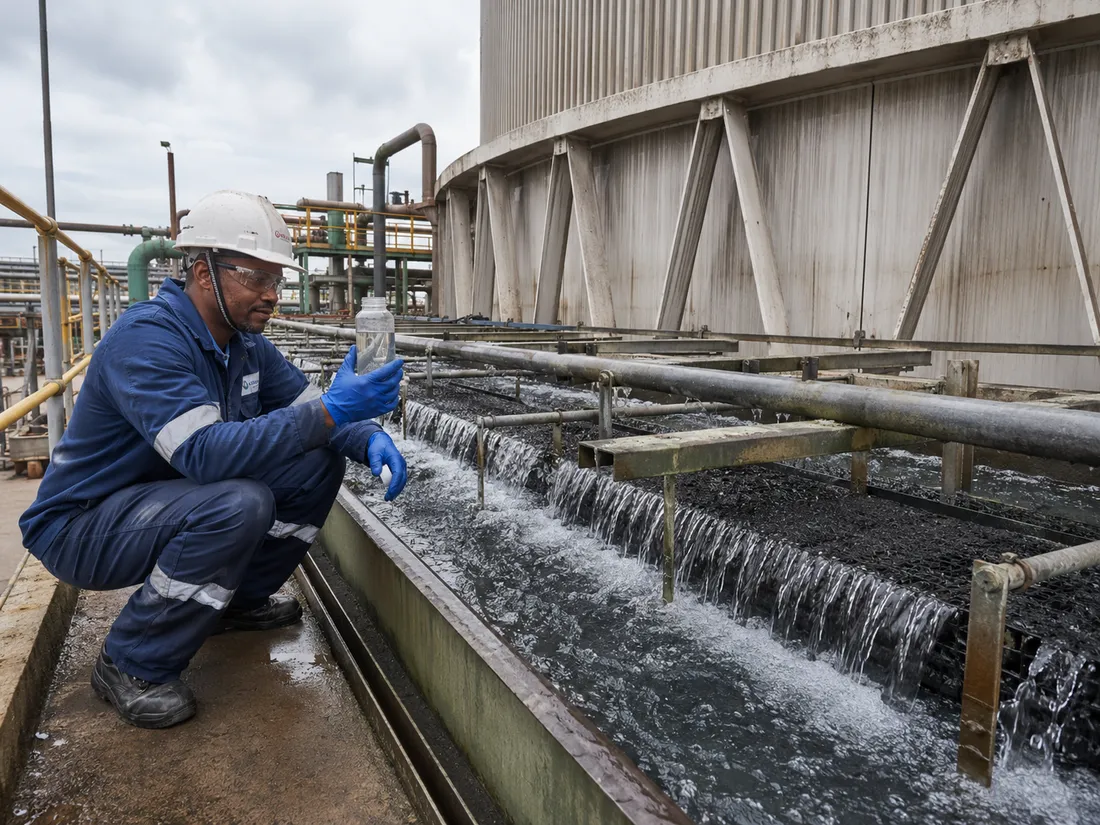
Routine microbiological monitoring with dip slides and plate counts, periodic Legionella testing, and written records that build the evidence trail an inspector or insurer asks for first.
Remedial action
When monitoring flags a problem, the programme defines the response: disinfection, cleaning, and the investigation of why control slipped. Catching the drift is the point of monitoring.
One programme, not two
Why Legionella control belongs with the water treatment
Legionella control and cooling water treatment are the same water. A biocide programme designed in isolation from the scale and corrosion programme tends to fight it. Prosep designs them together, which is why Legionella control sits inside the cooling programme rather than beside it.
The same logic runs through our work in food and beverage, where the brand risk is acute, and power generation, where cooling systems are large and numerous. The full method is on how we work.
Related
Where this connects
Cooling water treatment
Scale, corrosion and microbiological control on one programme.
Related serviceFood & beverage
Where an aerosol risk meets a public-facing brand.
Sector pagePower generation
Large, numerous cooling systems under one regime.
Sector pageBuilding HVAC
Hotels, hospitals and public buildings where the duty is acute.
Sector pageStandards we work to
Employers carry general duties under the OHS Act to control health risks to employees and the public, and SANS 893 sets out how Legionella risk in cooling and water systems should be assessed, monitored and controlled. Prosep designs programmes to work to those requirements — including the documentation an inspection expects.
- SANS 893 — Legionella control (principles)
- OHS Act — employer duty
FAQ
Legionella control questions
Is Legionella control a legal requirement in South Africa?
Employers carry general duties under the OHS Act to control health risks to employees and the public, and SANS 893 is the South African standard setting out how Legionella risk in cooling and water systems should be assessed, monitored and controlled. Prosep designs programmes to work to those requirements, including the documentation an inspection expects.
How often should cooling water be tested for Legionella?
Routine microbiological monitoring (dip slides, plate counts) runs on a frequency set in the control scheme, with periodic dedicated Legionella testing layered on top. The exact schedule depends on the system and its risk assessment; the principle is regular monitoring with recorded results, not occasional spot checks.
We already dose a biocide. Is that enough?
A biocide is one element. SANS 893 control is a risk assessment, a written control scheme, a designed biocide programme, monitoring with records, and defined remedial actions. A biocide dosed without that structure controls little and proves nothing when an auditor asks.
Can you provide the risk assessment and the ongoing programme?
Yes. Prosep carries out the risk assessment, builds the written control scheme, and runs the monitoring and biocide programme, with the records maintained as the evidence of control. It is designed as one continuous programme, not a report followed by silence.
Does Legionella control interfere with scale and corrosion treatment?
It should not, and that is the argument for running both as one programme. Designed together, the biocide, scale and corrosion chemistries are compatible. Designed by separate suppliers, they often work against each other. Prosep runs them as a single cooling water programme.
Can you produce a current risk assessment?
If you cannot produce a current Legionella risk assessment for your cooling systems, that is the finding and the place to start.