
Process & compliance
Potable water treatment: drinking-grade water, proven to SANS 241
Prosep treats raw and marginal water to potable grade and keeps it there, worked to SANS 241, with the disinfection chemistry and the records that turn “we think it is fine” into evidence.
Municipal potable supply in South Africa is no longer something a site can simply assume. Quality varies between systems and seasons, supply is interrupted, and many operations sit beyond a reliable municipal connection altogether, drawing from boreholes or surface water that is nowhere near drinking grade as it comes out of the ground. Where that water will be drunk, or will touch food or product, SANS 241 sets the standard it has to meet, and meeting it is not a single filter. It is a treatment train, a disinfection regime, and the monitoring that proves the water is safe.
Prosep treats raw and marginal water to potable grade and keeps it there, worked to SANS 241, with the disinfection chemistry and the records that turn “we think it is fine” into evidence.
The programme
What a Prosep potable programme covers
A treatment train designed to the source, disinfection dosed to a controlled residual, and the monitoring and records that demonstrate SANS 241 compliance.
Source treatment and the treatment train
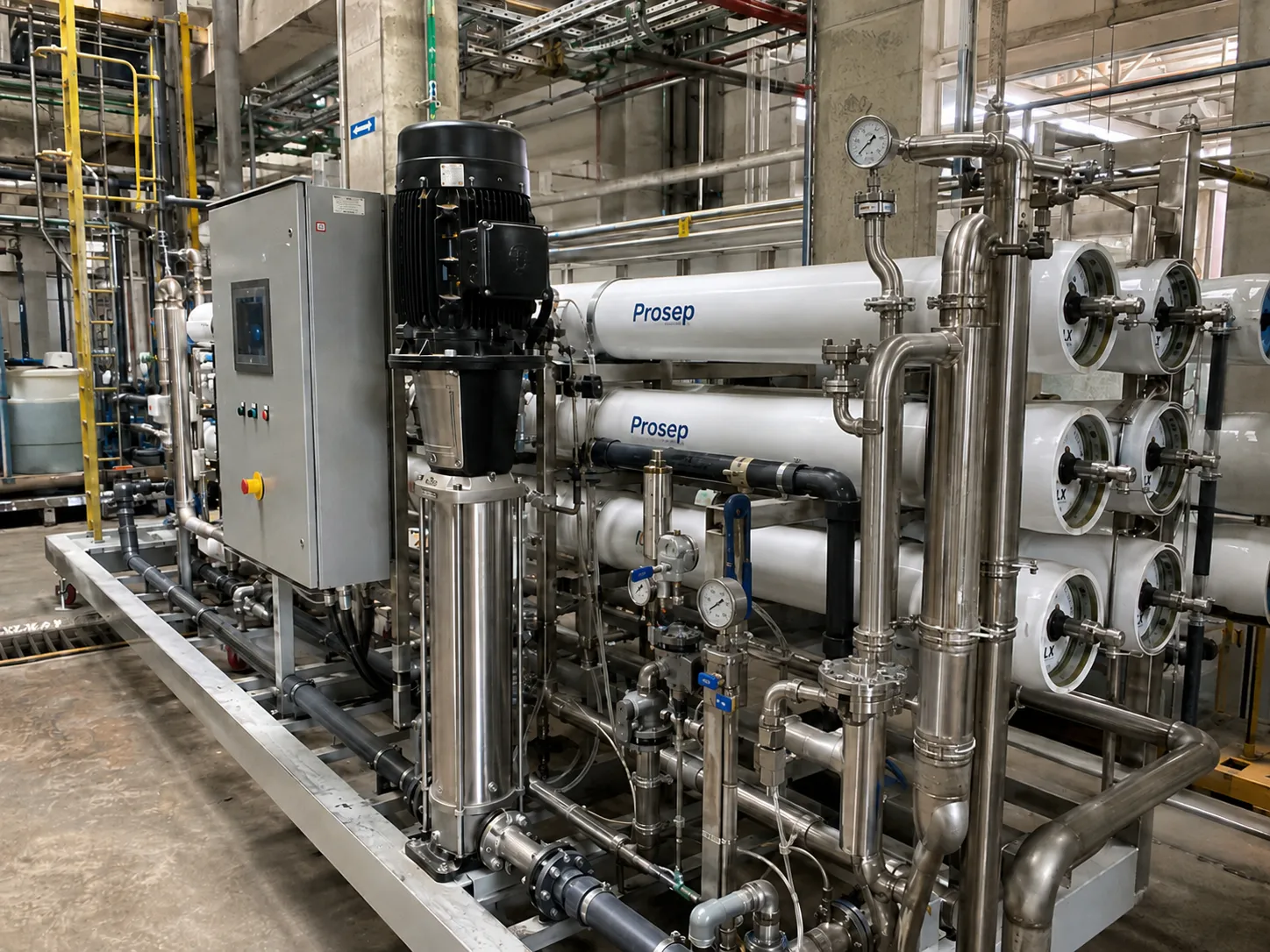
Raw water is rarely potable as drawn. Depending on the source it needs clarification, filtration and, where dissolved solids or specific contaminants demand it, reverse osmosis. The train is designed to the source water, not assembled from a standard kit.
Disinfection
The step that makes water potable, and the one most often done by guesswork. Disinfection chemistry is selected for the duty and dosed to a controlled residual with the contact time the system can deliver, holding a residual through to the point of use, not just at the dosing point.
Monitoring and records to SANS 241
SANS 241 is as much about demonstrating compliance as achieving it. The programme builds in the sampling and the records that show the water met the standard on the day. Treating the water is half the job; proving it is the other half.
The distinction
Potable is not the same as process water
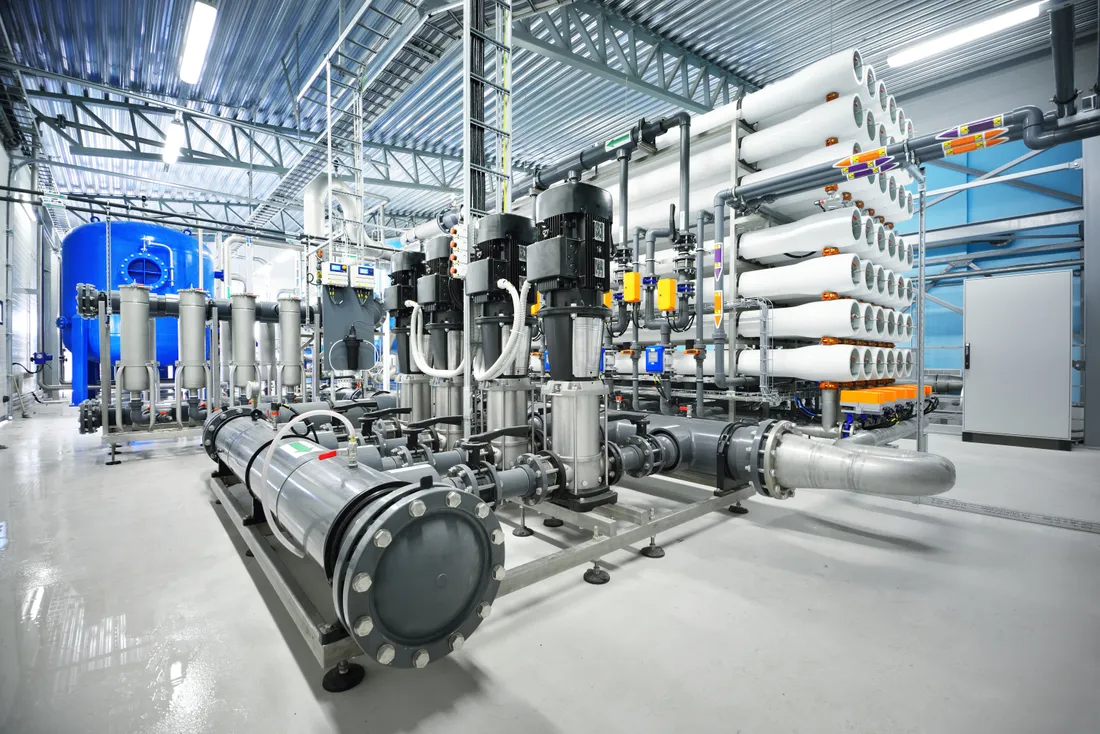
It is worth being clear on the distinction, because the two overlap on equipment. Our process water treatment page covers water made to an industrial process specification, RO permeate for a boiler, low-hardness water for a process, alternative supply to cut municipal cost.
Potable treatment is water made to a drinking-water standard for people and product, governed by SANS 241 and its disinfection and monitoring regime. The plant can look similar; the compliance requirement is different, and this page is about the second.
Related
Where this connects
Process water treatment
Water made to an industrial process specification, where the membrane and filtration plant lives.
Related serviceFlocculation & clarification
Coagulation, flocculation and clarification for turbidity and suspended solids.
Related serviceFood & beverage
Where water touches product and SANS 241 compliance is not optional.
Sector pagePoultry & agriculture
Drinking-grade water for stock, processing and washdown on the farm.
Sector pageMunicipalities & sewerage
Potable chemistry and technical support worked to SANS 241 for municipal works.
Sector pageStandards we work to
Prosep designs potable programmes to the requirements of SANS 241, and where the source abstraction touches a water use licence, to DWS requirements. The framing matters: Prosep works to these standards, it does not hold a certification in your place, and the records the programme produces are what stand behind your compliance. The method, from assessment through to monitoring, is the one on how we work.
- SANS 241 (potable water)
- DWS — water use licence
FAQ
Potable water treatment questions
What does it take to make borehole or river water potable to SANS 241?
A treatment train matched to the source, typically clarification and filtration, reverse osmosis where dissolved solids or specific contaminants require it, then disinfection to a controlled residual, followed by the monitoring and records SANS 241 expects. The exact train depends on the source water analysis, which is where the design starts.
Is disinfection just adding chlorine?
No. Effective disinfection depends on the chemistry, the dose, the residual carried to the point of use, and the contact time the system can deliver. A disinfectant dosed without regard to demand and contact time does not achieve its kill, so the programme controls the residual and the contact time rather than simply dosing a chemical.
Does Prosep certify our water as SANS 241 compliant?
Prosep designs and runs the treatment to work to SANS 241 and produces the monitoring records that demonstrate the water met the standard. The compliance is the site’s, and the records the programme generates are what stand behind it. Prosep works to the standard rather than holding a certification on your behalf.
How is this different from your process water treatment service?
Process water is treated to an industrial process specification, for example RO permeate for a boiler. Potable water is treated to a drinking-water standard for people and product, governed by SANS 241 with its disinfection and monitoring regime. The equipment can overlap, but the compliance requirement is different, and this service is built around the potable standard.
Start with a water analysis.
Send us an analysis of your source water and tell us the duty, and the treatment train and disinfection regime follow from that.